




‘Pakistan has only 3% potential of plastic recycling’
ISLAMABAD (February 01, 2023): Inger Andersen, the Executive Director of United Nations Environment Programme (UNEP), has said that each year 400 million tons of plastic products are generated out of which 300 million tons end up in global waste basket recklessly, creating a big hazard for the environment.
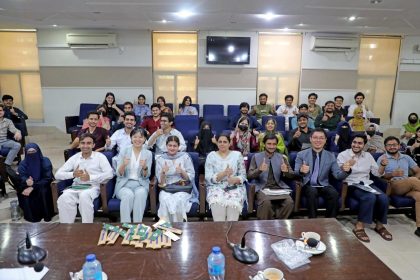
She was delivering a distinguished guest lecture on ‘Environmental governance in addressing plastic pollution and the role of CSOs’ here at Sustainable Development Policy Institute (SDPI).
Ms Andersen said that the use of plastic has done to us an ease in our day-to-day activities. “UNEP is not anti-plastic but anti-plastic in environment,” she said, adding that once plastic is part of economy, it should be kept in cycle rather than being used once and then disposed of where it ends up in landfills, marine and water bodies as well as in low-lying urban vicinities. She maintained that Pakistan is the second largest domestic market for plastic with very limited recycling potential of 18% and only 3% plastic is recycled in Pakistan.
Highlighting the extensive infiltration of plastic in our lives and the entire value-chain, the UNEP official suggested that “we must be the part of solution and must have a shared responsibility particularly not only in using plastic packaging for goods but also at different stages during transit.” She said that it is the responsibility of brands and consumers to reduce, reuse, recycle and refuse by rethinking packaging and how it is delivered to consumers. She called upon the civil society to play its role in advocating the issue , generating scientific data, and creating awareness to reduce plastic waste in the environment. As we make strides in this regard, we must think of garbage collectors, especially the young children, that they must not be left behind and should be provided alternative, safe, decent livelihoods and sustainable incomes, she elaborated.
Stressing the need for stringent legislation to govern the plastic content to reduce waste and improve recycling and extended producer guarantees, she said that even if plastic is mechanically or chemically recycled, we must consider that it does not come without cost and chemical recycling, particularly with a huge carbon footprint.
Responding to a question, she said that stringent regulations, awareness on content and chemistry of plastic and incentivization are critical to reduce plastic waste. “As many as 36 countries in Africa have banned single use plastics and public awareness is very high deterring the use of plastics there.”
To another question of the financing gap, she said that strict public enforcement will catalyze action from private sector to increase recycling and discourage the use of virgin plastics. She emphasized that when the cost of plastic use for businesses increases, private sector will find and mobilize resources for themselves.
To the other question, she responded that 65% of global plastic waste comes in single use while only 35% is recycled that must be increased, The trans-boundary dumping of waste though illegal means is still a pertinent issue, which calls for increase in vigilance and requires solutions to address the plastic challenge rather than pushing it to different locations, she concluded.
Ambassador (Retd) Shafqat Kakakhel, Chairperson of SDPI Board of Governors, in his welcome remarks, said out of total 9 billion tons of plastic waste produced since the 1950s, 7 billion tons of plastic is still circulating in various forms in landfills, dumps and aquatic bodies, etc. making it one of the most pertinent cotemporary challenges.
Mr Kakakhel said that currently UNEP is spearheading the momentous initiatives for preventing further increase and potentially ruling back the hazardous plastic pollution as a consequence of industrial revolution. Lauding the efforts of UNEP and World Environment Assembly, he called for initiating inter-governmental negotiations for developing a legally binding instrument for plastic pollution particularly the pollution of marine environment by 2024. Pakistan is also confronted with industrial revolution and despite drives in major cities to control and minimize the use of micro and macro-plastics, so far no remarkable progress has been achieved, he added