



By Rana Tahir Shahbaz
China’s economic rise shows no signs of slowing down. In 2025, the country remained at the top in terms of Purchasing Power Parity (PPP) GDP, with a staggering $41 trillion. This milestone solidifies China’s position as the world’s largest economy when adjusted for the cost of living. The country’s economic prowess is a testament to its strategic policies, innovative spirit, and vast market potential.
A Closer Look at the Numbers
According to the International Monetary Fund (IMF), China’s PPP GDP accounted for 19.6% of global GDP in 2025. The country’s growth rate stood at 4.8%, outpacing the United States’ 2.02%. In nominal terms, however, the US still leads with a GDP of $30.6 trillion, while China’s is $19.4 trillion.

Key Drivers of China’s Economic Success
Several factors have contributed to China’s economic dominance:
Belt and Road Initiative (BRI): China’s ambitious infrastructure development project has boosted trade and investment across Asia, Europe, and beyond. The BRI has created new economic corridors, enhanced connectivity, and fostered regional cooperation.
Technological Advancements: China has made significant strides in tech sectors like AI, 5G, and renewable energy. The country’s focus on innovation has driven growth, improved efficiency, and increased competitiveness.
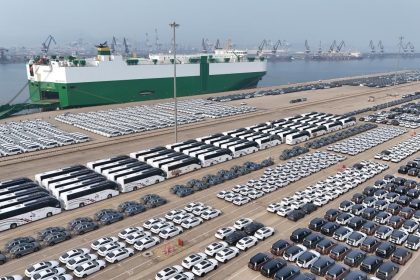
Manufacturing Hub: China’s manufacturing sector remains a global powerhouse, driving economic growth and exports. The country’s vast workforce, infrastructure, and supply chain ecosystem make it an attractive destination for businesses.
What’s Next for China?
As China continues to navigate global economic challenges, its focus on innovation, sustainability, and regional cooperation will be key to maintaining its economic momentum. The country’s 14th Five-Year Plan (2021-2025) emphasizes quality growth, environmental protection, and technological self-sufficiency. With its strong foundation and strategic vision, China is poised to remain a major player in the global economy.