




by Fang Li
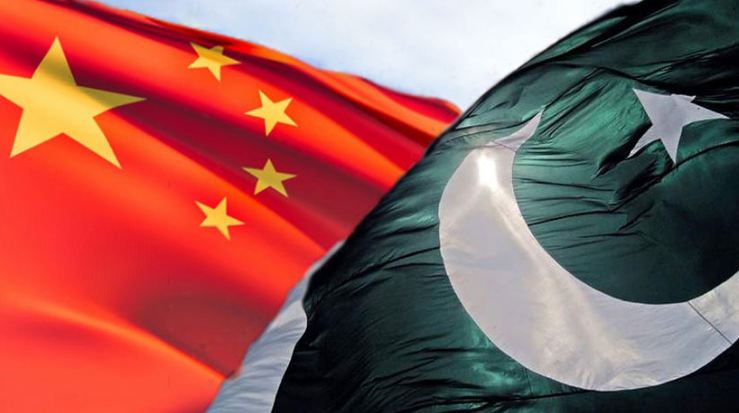
The diplomatic and economic relationship between China and Pakistan has grown significantly over the years, fostering collaboration in various sectors. One of the key aspects of this partnership is the implementation of high-level works and projects that aim to enhance infrastructure, trade, and connectivity between the two nations. This article delves into some of the notable Chinese high-level works in Pakistan, highlighting their strategic importance and impact on bilateral relations.
China-Pakistan Economic Corridor (CPEC):
The China-Pakistan Economic Corridor (CPEC) is undoubtedly the flagship project of Sino-Pak collaboration. This ambitious initiative aims to connect Gwadar Port in southwestern Pakistan to China’s northwestern region of Xinjiang via a network of highways, railways, and pipelines. The corridor not only facilitates trade between the two nations but also opens up new economic opportunities for the entire region.
The CPEC includes the development of energy projects, such as coal-fired and hydroelectric power plants, addressing Pakistan’s energy shortages. Additionally, the construction of modern infrastructure, including roads and railways, is transforming Pakistan’s transportation landscape, fostering economic growth and regional connectivity.
Gwadar Port:
Gwadar Port, located in the Balochistan province of Pakistan, is a key component of the CPEC. This deep-sea port holds strategic significance, providing China with a shorter and more efficient maritime route for its trade activities. The development of Gwadar Port not only enhances Pakistan’s maritime capabilities but also serves as a gateway for landlocked Central Asian countries to access international markets.
Thar Coal Power Project:
China is actively involved in addressing Pakistan’s energy needs through the Thar Coal Power Project. Situated in the Thar Desert, this initiative focuses on the extraction of coal reserves to generate electricity. The project not only contributes to Pakistan’s energy security but also promotes the utilization of indigenous resources for sustainable development.
Karot Hydropower Project:
The Karot Hydropower Project is another testament to the collaborative efforts between China and Pakistan. Located on the Jhelum River, this hydropower project aims to harness the potential of the river to generate clean and renewable energy. The completion of this project will not only contribute to Pakistan’s energy mix but also reduce its dependence on non-renewable energy sources.
Aerospace Industry Collaboration:
Beyond infrastructure and energy projects, China and Pakistan are also engaged in high-level collaborations in the aerospace industry. Joint ventures and technological exchanges between the two countries have resulted in the development of advanced aerospace technologies, including satellites and communication systems. This cooperation enhances both nations’ capabilities in space exploration and satellite communication.
Conclusion:
Chinese high-level works in Pakistan underscore the depth and significance of the strategic partnership between the two nations. From transformative infrastructure projects like the CPEC to initiatives addressing Pakistan’s energy challenges, the collaboration is driving economic development and regional connectivity. As these projects continue to unfold, it is evident that the Sino-Pak partnership is not only strengthening the bilateral relationship but also contributing to the socio-economic progress of both countries. The success of these endeavors sets a positive precedent for future collaborations, highlighting the potential for mutually beneficial outcomes in various sectors.