




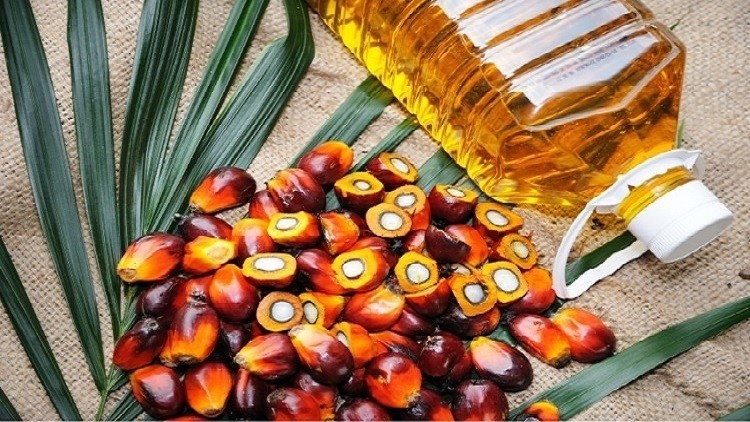
By Rana Tahir Shahbaz — Malaysia, renowned as one of the leading producers and exporters of palm oil, has gained a reputation for producing some of the world’s best palm oil. With its favorable climate, advanced cultivation practices, and robust regulatory framework, Malaysia’s palm oil industry has set high standards for quality, sustainability, and responsible production. In this article, we delve into the factors that contribute to Malaysia’s distinction as the producer of the world’s best palm oil.
Rich Natural Resources:
Situated in the ideal tropical climate, Malaysia possesses abundant fertile land, ample rainfall, and a year-round growing season that is conducive to palm oil cultivation. These favorable conditions provide the foundation for the production of high-quality palm oil. Malaysia’s extensive plantations span across vast areas, carefully managed to optimize yields and ensure sustainable practices.
Advanced Cultivation Practices:
Malaysia’s palm oil industry is characterized by its adoption of advanced cultivation practices. Plantations employ modern techniques, including precision farming, mechanization, and efficient irrigation systems. Skilled agronomists and scientists work diligently to develop improved seed varieties, ensuring disease resistance, higher oil yields, and optimal fruit quality. The industry’s commitment to research and development plays a vital role in maintaining its position as a global leader.
Stringent Quality Standards:
Malaysia’s palm oil is renowned for its consistent quality and adherence to stringent standards. The Malaysian Palm Oil Board (MPOB) sets regulations and conducts regular inspections to ensure compliance with quality parameters at every stage of the production process. From planting to harvesting, processing, and distribution, strict quality control measures are implemented to meet international benchmarks. This commitment to quality has earned Malaysia a reputation for producing palm oil that exceeds consumer expectations.
Sustainable Practices:
Recognizing the importance of sustainable palm oil production, Malaysia has made significant strides in promoting environmentally friendly practices. The Malaysian Sustainable Palm Oil (MSPO) certification scheme has been implemented, requiring palm oil producers to meet rigorous sustainability criteria. This includes preserving biodiversity, minimizing pollution, and protecting the rights and welfare of workers. Malaysia’s dedication to sustainability has positioned its palm oil as a responsible choice in the global market.
Traceability and Transparency:
Malaysia’s palm oil industry prides itself on traceability and transparency. From plantations to mills and refineries, the supply chain is closely monitored to ensure accountability and ethical practices. The implementation of advanced technologies such as Geographic Information Systems (GIS) and blockchain solutions allows for accurate tracking of palm oil throughout the production process. Consumers can be confident that Malaysia’s palm oil is sourced responsibly and produced with integrity.
Global Recognition and Demand:
Malaysia’s commitment to quality, sustainability, and responsible production has led to worldwide recognition and growing demand for its palm oil. Malaysia exports palm oil to over 150 countries, including major markets such as China, India, and the European Union. The versatility, nutritional benefits, and long shelf life of palm oil have contributed to its popularity across various industries, including food, cosmetics, and biofuels.
Conclusion:
Malaysia’s palm oil industry stands tall as a global benchmark for excellence. Its favorable natural resources, advanced cultivation practices, stringent quality standards, sustainable practices, and commitment to traceability have propelled Malaysian palm oil to the forefront of the industry. As consumers increasingly prioritize sustainable and responsible choices, Malaysia’s palm oil continues to lead the way, offering a product that not only meets the highest standards but also contributes to a greener and more sustainable future.