


By Rana Irfan Rafi

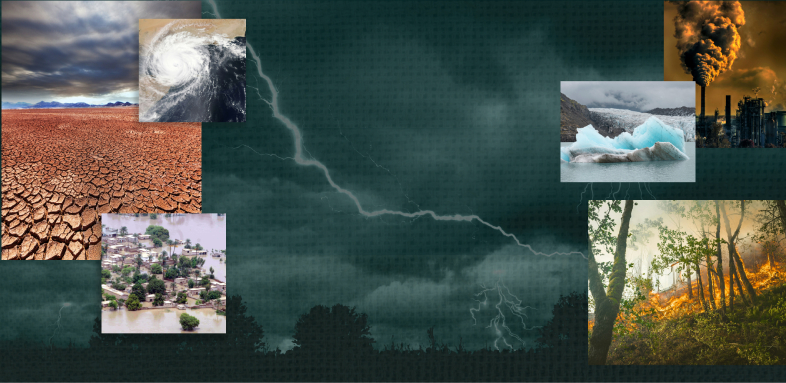
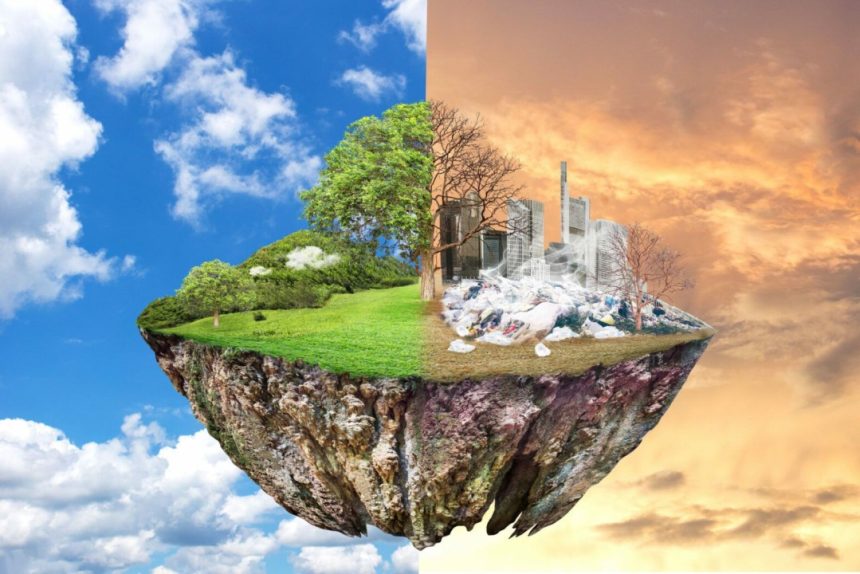
Pakistan is known for its breathtaking landscapes, rich cultural heritage, and diverse ecosystems, making it a popular destination for tourists worldwide. From the towering peaks of the Himalayas and Karakoram to the historical cities like Lahore and Karachi, the country offers a variety of attractions for travelers. However, climate change poses a significant threat to Pakistan’s tourism industry. Rising temperatures, changing weather patterns, and extreme weather events are increasingly affecting the natural beauty, wildlife, and cultural sites that draw visitors to the country. This article explores how climate change is impacting tourism in Pakistan and what steps can be taken to mitigate these effects.


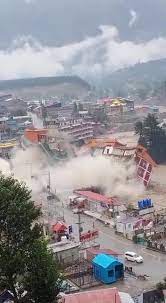
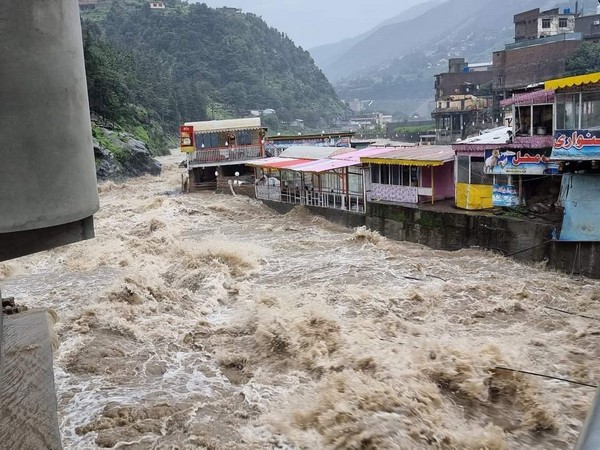
Pakistan’s Northern Areas, including popular destinations like Hunza, Skardu, and Swat Valley, are famous for their stunning mountains, glaciers, and lakes. However, climate change is causing glaciers in these regions to melt faster than before. This not only changes the landscape but also increases the risk of floods and landslides. Flash floods have become more common, damaging infrastructure such as roads, bridges, and hotels, which are essential for tourism. These changes make it difficult and sometimes dangerous for tourists to visit these beautiful areas, leading to a decline in tourism.
In addition to the mountains, Pakistan’s coastal areas, such as Karachi and Gwadar, are also facing challenges due to climate change. Rising sea levels and more frequent cyclones threaten beaches, marine life, and coastal resorts. Erosion of beaches and damage to coral reefs can reduce the attractiveness of these coastal areas for tourists. The destruction of infrastructure due to storms and flooding further discourages visitors, impacting the livelihoods of those who depend on tourism.
Pakistan is home to a wide range of wildlife, including rare species such as the snow leopard, Himalayan brown bear, and Indus River dolphin. National parks and wildlife reserves attract tourists interested in nature and wildlife. However, climate change is affecting the habitats of these animals. Warmer temperatures and altered rainfall patterns are changing the ecosystems, making it harder for these species to survive.
Pakistan has a rich cultural heritage, with ancient sites like Mohenjo-Daro, Harappa, and the historical city of Lahore attracting thousands of tourists each year. However, climate change poses a threat to these cultural and historical sites. Increased temperatures and extreme weather events, such as heavy rains and floods, can damage these ancient structures. For example, heavy rainfall can cause erosion and water damage, leading to the deterioration of historical buildings and monuments.
Moreover, changes in weather patterns can affect traditional cultural events and festivals that draw tourists. Events that depend on specific seasons or outdoor settings may be disrupted by unpredictable weather, reducing the number of visitors and affecting local businesses that rely on tourism. The loss or damage of cultural heritage not only impacts tourism but also affects the identity and history of the communities associated with these sites.
Many communities in Pakistan rely on tourism as a source of income. Hotels, restaurants, tour operators, and souvenir shops provide employment and revenue for local people. However, climate change impacts, such as extreme weather events and changing landscapes, can lead to a decline in tourist numbers. This, in turn, affects the local economy, leading to job losses and reduced income for families.
For instance, in the mountainous regions, communities that depend on trekking and mountaineering tourism may see fewer visitors due to the increased risk of avalanches, floods, and landslides. Similarly, coastal communities that rely on beach tourism and fishing may be affected by rising sea levels and cyclones, which can destroy infrastructure and reduce fish populations. The decline in tourism can lead to economic hardships for these communities, making it important to find alternative sources of income or adapt tourism practices to the changing climate.
To protect Pakistan’s tourism industry from the effects of climate change, several measures can be taken. First, there is a need to raise awareness about climate change and its impact on tourism among local communities, tourists, and policymakers. Education campaigns can help people understand the importance of protecting the environment and adopting sustainable practices.
Second, investing in climate-resilient infrastructure is crucial. Building stronger roads, bridges, and flood defences can help protect tourism areas from the effects of extreme weather events. Improved early warning systems for natural disasters can also help ensure the safety of tourists and local residents.
Third, promoting sustainable tourism practices can help reduce the environmental impact of tourism. Encouraging the use of eco-friendly transportation, minimising waste, and supporting local businesses can contribute to a more sustainable tourism industry. Ecotourism, which focuses on responsible travel to natural areas, can be promoted to attract tourists who are conscious of their environmental footprint.
Lastly, efforts should be made to protect and restore natural habitats and ecosystems. Planting trees, preserving wetlands, and protecting wildlife habitats can help mitigate the effects of climate change and maintain the natural beauty of Pakistan’s landscapes. Conservation projects can also create opportunities for ecotourism and provide alternative livelihoods for local communities.
Climate change poses a significant threat to Pakistan’s tourism industry, impacting its natural attractions, wildlife, cultural heritage, and local communities. However, with proactive measures and strategies, it is possible to reduce these impacts and protect the tourism sector. By raising awareness, investing in climate-resilient infrastructure, promoting sustainable tourism, and conserving natural habitats, Pakistan can ensure the long-term sustainability of its tourism industry. Protecting the environment not only benefits tourism but also helps preserve the country’s rich natural and cultural heritage for future generations.
The author is associated with SDPI (Sustainable Development Policy Institute) as a project assistant and can be contacted at irfanrafi@sdpi.org tweeter@ranaskt11