




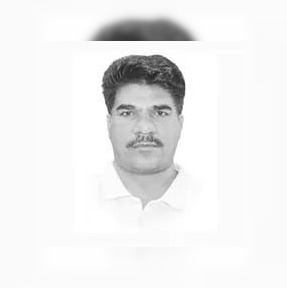
Rana Irfan Rafi
The Population shift from rural to urban areas is rapidly increasing around the globe. In many developing countries, like Pakistan, more and more people are moving from rural areas to Urban parts. Currently, it is estimated that about 35% to 40% of Pakistan’s population lives in Urban Area. This shift from rural to urban areas is driven by several factors, and as cities grow quickly, this migration leads to expand the environmental problems by contributing to climate change in the form of the population density increase in pollution, higher emissions from vehicles. This results in increased levels of air pollution, making it difficult to breathe clean air. The presence of smog and fog in cities is becoming more common, and the air quality in many urban areas is poor. This pollution also contributes to global warming.
Migration from rural to urban areas is mainly due to the lack of basic infrastructure in rural parts of the country. In many rural areas, roads are either in pitiable condition or don’t exist at all, making transportation difficult. Without good roads, accessing essential services like schools, hospitals and even workplaces becomes a nightmare for residents. In contrast to that, cities have improved roads, reliable public transportation, and enhanced connectivity, which makes life easier. Many people in rural areas live in inadequately built houses and are vulnerable to natural disasters like floods and earthquakes. Although housing in cities are comparatively more expensive and crowded, the buildings are generally solid, and have multiple option of housing for people with different income levels. Rural areas also lack basic living facilities, such as quality education and healthcare. In rural areas, good schools, colleges, and universities are not in ample amount to facilitate the residents. This also forces many young people to migrate to cities for better education. Similarly, access to good hospitals and qualified doctors is limited in rural areas, leading people to move to cities for better healthcare. Agriculture in Pakistan, does not provide enough income for farmers. Low productivity and high costs of machinery and other inputs make farming less profitable. As a result, many people in rural areas no longer see farming as a viable career option and prefer to move to cities in search of better job opportunities. People often don’t feel secure because of poor law enforcement or the threat of natural disasters. Although urban areas have their security challenges, they usually offer better law enforcement and emergency services, which makes people feel more secure.
Rapid urbanization contributes to environmental degradation, which has a broader impact on climate change. The increase in pollution, the loss of green spaces, Trees are cut down to make way for buildings, and green areas are replaced by concrete structures. This loss of greenery not only diminishes the natural beauty of cities but also has severe environmental consequences. The lack of trees and green spaces in urban areas contributes to the urban heat island effect, where cities become significantly warmer than surrounding rural areas.
Additionally, the growing population in cities leads to an increase in waste. More people generate more garbage. The accumulation of garbage not only makes the environment unpleasant but also poses serious health risks. Waste can attract pests and contribute to the spread of diseases, further worsening living conditions in urban areas.
Moreover, rapid urbanization puts a strain on the infrastructure of cities. With more people moving in, the demand for basic services like water, electricity, and sanitation increases. Many cities are not equipped to handle this growing demand, leading to shortages and breakdowns in services. For example, during heavy rains, the drainage systems in many cities are unable to handle the excess water, leading to flooding. This flooding can cause significant damage to property and lead to the spread of waterborne diseases.
To reduce the pressure on urban areas and address the challenges of urban migration, it is important to invest in rural areas. The government and private sectors can support rural regions by setting up industries, manufacturing units, or service centers. This will create job opportunities and reduce the need for people to migrate to cities.
Collaboration with farmers to introduce sustainable farming practices, provide access to better technology, and help with market access is also crucial. This will make agriculture more profitable and reduce rural-to-urban migration. Construction companies should adopt green building practices that focus on energy efficiency, water conservation, and the use of eco-friendly materials. This will help reduce the environmental impact of urbanization.
Businesses should invest in renewable energy projects to reduce their carbon footprint. This can include setting up solar power plants, and wind farms, or using renewable energy in their operations. Promoting telecommuting and remote work opportunities can also reduce the need for employees to live in urban areas and help distribute the population more evenly across the country.
The private sector should focus its Corporate Social Responsibility (CSR) initiatives on projects that benefit rural communities, such as building schools, healthcare centers, or infrastructure projects. This can improve living standards in rural areas and reduce migration to cities.
Through these balanced approaches, we can ensure that urbanization does not come at the cost of the environment and the well-being of the population. Sustainable urban planning that preserves green spaces reduces pollution, and manages waste effectively is key to achieving this goal.
The author is associated with SDPI (Sustainable Development Policy Institute) as a project assistant and can be contacted at irfanrafi@sdpi.org tweeter@ranaskt11