




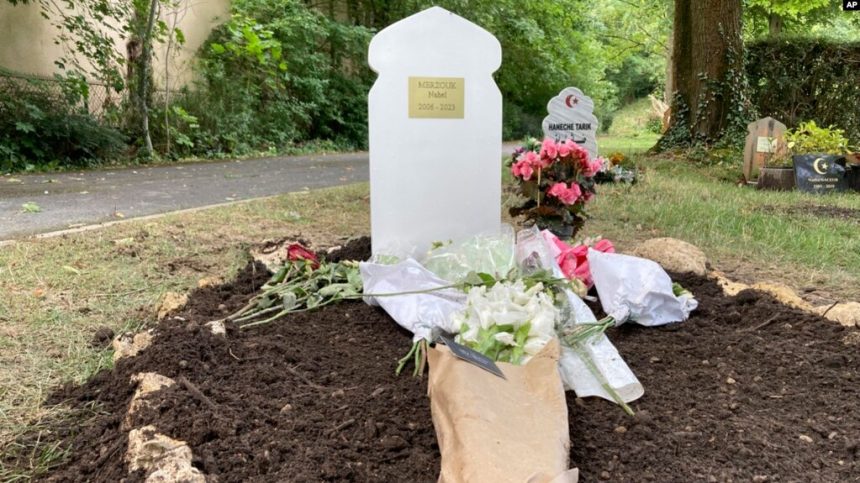
As the weeklong unrest in France subsides, the United Nations and several other international human rights organizations have called on the French government to reform its police forces and put an end to their controversial racial profiling practices. The calls come in the wake of the fatal shooting of Nahel Merzouk, a 17-year-old French youth of Algerian descent, by a police officer outside Paris on June 27. The incident sparked widespread protests in nearly 200 cities and towns across France over the past week.
Six human rights organizations, including Human Rights Watch and Amnesty International, issued a joint statement on Wednesday, urging the French government to take urgent action in reforming the system of police stops. They emphasized the need for the country to address deep-rooted issues of racism and discrimination within law enforcement.
Ravina Shamdasani, a spokesperson for the U.N. Office of the High Commissioner for Human Rights, highlighted the significance of this moment, stating, “This is a moment for the country to seriously address the deep issues of racism and discrimination in law enforcement.”
Amnesty International denounced Nahel’s killing as another example of the effects of systemic racism. However, French authorities have staunchly defended the police, denying any allegations of racism or systemic discrimination within their ranks. France’s foreign ministry issued a statement last week calling such accusations “totally unfounded.”
The French government deployed 45,000 police officers to restore calm amidst the protests, resulting in over 3,400 arrests for various crimes, primarily physical assault and vandalism. The unrest has also taken a toll on businesses, with losses exceeding $1 billion, according to a French business association.
The controversy surrounding racial profiling by the French police is not a new issue, with critics decrying the use of generalizations based on race, ethnicity, religion, and national origin as a discriminatory practice. Despite being illegal in France and facing legal challenges, the practice has persisted due to a lack of executive action, according to human rights groups.
In response to the unrest, the French government has reportedly considered banning access to social media platforms to prevent organized rioting and violence. President Emmanuel Macron discussed the possibility of regulation or temporary cutoffs during a meeting on Tuesday.
However, the French government’s response has drawn criticism from some who view it as heavy-handed and ineffective. While human rights groups call for addressing systemic and institutional racism, certain French politicians have demanded tougher actions against the rioters.
As France navigates these challenges, the international community continues to emphasize the need for reforms within the police forces to ensure justice, equality, and the protection of human rights for all citizens.