

By using this site, you agree to the Privacy Policy and Terms of Use.
Accept
China ObserverChina Observer
Notification
Latest News
When things burn, what reaches the body
May 15, 2026
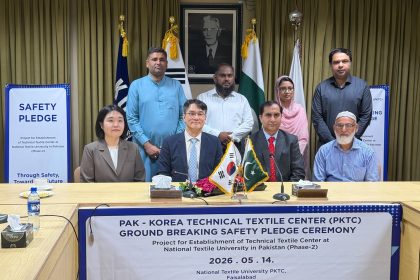
KOICA Breaks Ground on Pak-Korea Technical Textile Centre in Faisalabad
May 14, 2026
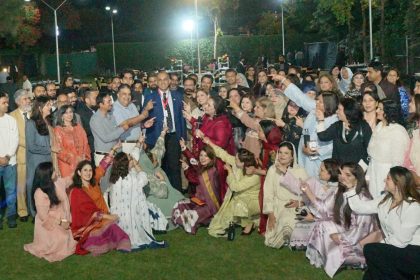
Teachers Honoured at IGCSE & A Level Faculty Gala in Islamabad
April 21, 2026
The Philippines cannot pursue contradictory paths
April 17, 2026
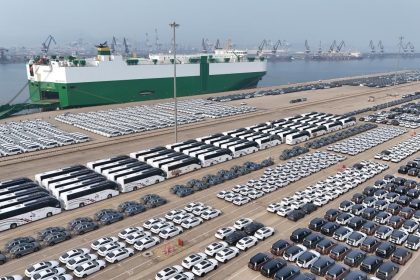
China claims global auto sales lead from Japan, sets sights on quality
April 17, 2026
Aa
  • Home
  • Pakistan
  • China
  • Sports
  • World
  • Business
  • Technology
  • Entertainment
  • Tourism
  • Videos
  • Health
  • More
    • Articles
    • Currency Rates
    • Gold Rates
    • Daily Horoscope
Reading: The Global South: origins, shared identity, and its vision for a multipolar world
Share
Aa
China ObserverChina Observer
  • Home
  • Pakistan
  • China
  • Sports
  • World
  • Business
  • Technology
  • Entertainment
  • Tourism
  • Videos
  • Health
  • More
Search
  • Home
  • Pakistan
  • China
  • Sports
  • World
  • Business
  • Technology
  • Entertainment
  • Tourism
  • Videos
  • Health
  • More
    • Articles
    • Currency Rates
    • Gold Rates
    • Daily Horoscope
Have an existing account? Sign In
Follow US
China Observer > Blog > China > The Global South: origins, shared identity, and its vision for a multipolar world
China

The Global South: origins, shared identity, and its vision for a multipolar world

January 15, 2026 3 Min Read
Updated 15/01/26 at 8:59 AM
Share
3 Min Read

The Global South represents a collective of nations whose shared experiences, challenges, and aspirations have shaped modern international politics. Emerging primarily in the mid-20th century, the Global South refers to countries across Asia, Africa, Latin America, and parts of the Middle East that sought political independence, economic development, and strategic autonomy in a rapidly changing world.

The roots of the Global South can be traced back to the 1940s, when the Second World War weakened colonial powers and accelerated independence movements. Newly sovereign states entered the international system with high hopes but limited resources, often facing economic dependency, political instability, and exclusion from global decision-making. Despite formal independence, many nations continued to experience the effects of colonial structures and unequal power relations.

To address these challenges, developing countries began cooperating through diplomatic and political platforms. Initiatives such as the Bandung Conference of 1955 and the rise of the Non-Aligned Movement reflected a shared determination to resist domination by major power blocs and to pursue independent development paths. This cooperation laid the foundation for what would later be described as the Global South.

Today, the Global South includes emerging market economies and developing countries that together represent the majority of the world’s population and a growing share of global economic activity. While diverse in culture, political systems, and development models, these nations share common priorities: economic growth, poverty reduction, technological advancement, and fair participation in global governance.

Unity remains central to the Global South’s relevance. By standing together, its countries amplify their collective voice on issues such as development financing, climate change, trade equity, and institutional reform. The Global South increasingly advocates for an international system that reflects contemporary realities rather than historical hierarchies.

Looking ahead, the vision of the Global South is focused on contributing to peace, stability, and progress through cooperation and dialogue. Its goal is to support the emergence of an equal and orderly multipolar world—one where sovereignty is respected, development is inclusive, and global decision-making is more representative of humanity as a whole.

You Might Also Like

China claims global auto sales lead from Japan, sets sights on quality

From underdog to contender: China’s motorcycle breakthrough signals industrial advancement

China’s Hainan Free Trade Port: a dynamic hub for growth, not a tax haven

Any provocation seeking to meddle in Taiwan question will come at a cost

Tiny tokens, big market: how AI usage is powering China’s smart economy

TAGGED: developing countries, emerging economies, global governance, Global South, International Relations, multipolar world, Non-Aligned Movement, postcolonial history
admin January 15, 2026
Share this Article
Facebook Twitter Whatsapp Whatsapp LinkedIn Email Print
Leave a comment

Leave a Reply Cancel reply

You must be logged in to post a comment.

Follow US

Find US on Social Medias
Facebook Like
Twitter Follow
Instagram Follow
Youtube Subscribe
Articles

When things burn, what reaches the body

Business

KOICA Breaks Ground on Pak-Korea Technical Textile Centre in Faisalabad

Education

Teachers Honoured at IGCSE & A Level Faculty Gala in Islamabad

World

The Philippines cannot pursue contradictory paths

China

China claims global auto sales lead from Japan, sets sights on quality

You Might Also Like

China

China claims global auto sales lead from Japan, sets sights on quality

April 17, 2026
ChinaTechnology

From underdog to contender: China’s motorcycle breakthrough signals industrial advancement

April 17, 2026
China

China’s Hainan Free Trade Port: a dynamic hub for growth, not a tax haven

April 17, 2026
China

Any provocation seeking to meddle in Taiwan question will come at a cost

April 17, 2026
logo-chinaoberver-tranparent-small

About US

We influence 20 million users and is the number one business and technology news network on the planet.
  • Contact
  • Blog
  • Complaint
  • Advertise
Menu
  • Contact
  • Blog
  • Complaint
  • Advertise

Market Performers

Subscribe US

Weather Widgets for Websites

©China observer. All Rights Reserved.

Removed from reading list

Undo
Welcome Back!

Sign in to your account

Lost your password?