


Dragon boats, kites and tea are just a few of the many Chinese cultural elements linking China and Europe.
BRUSSELS — Dragon boat races, Chinese kites exhibition and performances of China’s traditional tea processing techniques have been on stage in several European countries in early summer.
From London to Berlin, from Fanoe in Denmark to Zagreb in Croatia, local people greeted these activities with acclamation. They either joined in as performers and contestants or watched enthusiastically.
Through these activities, Europeans get to taste the traditional Chinese culture. Are you familiar with these Chinese cultural elements? If you can take part in, which one do you prefer?
As the traditional Chinese Dragon Boat Festival falls on June 22 this year, a number of European countries hosted their own dragon boat races during the past week in celebration of the festival.
“The camaraderie of Dragon Boat Racing really is second to none,” Neil Pickles, chair of the British Dragon Boat Racing Association, the national governing body of dragon boat racing, told Xinhua on Sunday.
“It’s an event for everyone. Very vibrant, and full of color. It’s just lovely to be here, sharing with everyone,” local shop worker Jesper told Xinhua on Sunday by the South Harbor of Copenhagen, where the 6th edition of the Dragon Boat Festival in Denmark was held.
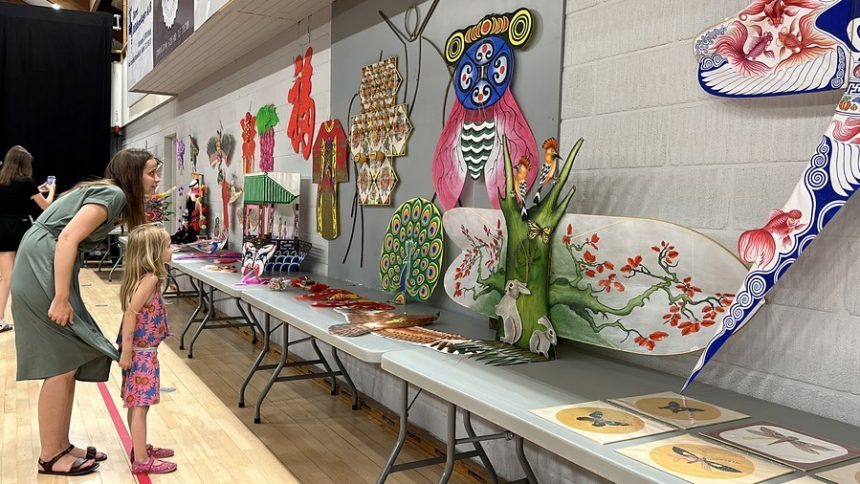
A few days ago, also in Denmark, over 20,000 colorful kites bobbed against the sky over Fanoe, a small island off Denmark’s west coast, turning the island’s beach into a paradise for over 5,000 kite fliers.
Chinese traditional kites became the most attractive highlights during that China to Fanoe Culture Week. “Few people have the chance to go to China. Now we get 25 Chinese kite masters coming here, so more people can watch them closely and see the exquisite bamboo work,” Andreas Aagren, a seasoned kite enthusiast from Sweden, told Xinhua.
While the dragon boat race and kites flew high, aroma and culture from activities of Chinese tea held in several European countries also attracted many locals.
Since 2000 years ago, Chinese tea has been traded all over the world via the ancient Silk Road. Nowadays, many tea lovers in Europe can tell several of the six main categories of Chinese tea: green, yellow, dark, white, oolong and black teas.
While attending an event focusing on tea making and its culture at the Chinese Cultural Center in Sofia, Momchil Stanishev, director of the Association for the Promotion of Agricultural Cooperation between China and the Central and Eastern European Countries, described tea as “a spiritual mediator between cultures.”
“Tea is a bridge between people,” said Michalis Maniatis, a Greek artist who has traveled between Greece and China many times. He told Xinhua that he had stored various kinds of tea at home that he enjoyed with his Chinese friends.
Dragon boats, kites and tea are just a few of the many Chinese cultural elements linking China and Europe. When people in different continents share their common love for the team spirit in rowing a dragon boat, the joy of flying a colorful kite, and the elegance of making a cup of fragrant tea, they are able to understand each other better and may have bigger chance to jointly build a better world.