

The city of Zhangzhou in Fujian Province, China, has been focused on achieving sustainable development for both the present and the future. Despite being a top-50 city in terms of economic output in China, Zhangzhou has made significant efforts to balance its economic growth with environmental protection and the well-being of future generations.
Zhangzhou boasts a diverse range of competitive industries, including traditional sectors like petrochemical engineering, food processing, and equipment manufacturing, as well as emerging industries such as electronic information, new energy, and digital services. This economic diversity allows the city to foster sustainable growth while adapting to changing market demands.
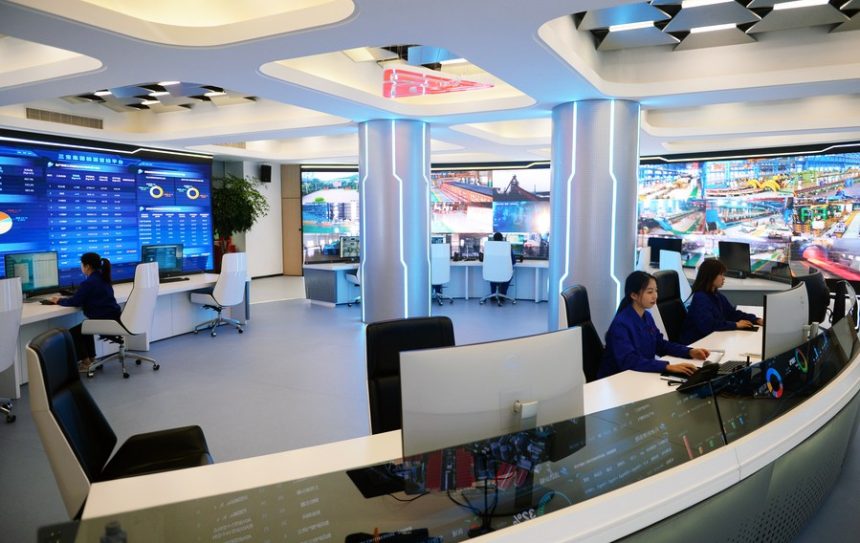
One notable example of Zhangzhou’s commitment to sustainable development is Sanbao Group, a steel-making company founded in 1999. Sanbao Group has implemented innovative and environmentally friendly practices in its production line, aiming to provide high-quality and lightweight steel for new energy vehicles and batteries. The company has invested heavily in energy conservation and emission reduction, reducing carbon emissions and power consumption to a leading level globally. Sanbao has also met the country’s strictest standards for emissions of sulfur dioxide and nitrogen oxides. Additionally, the company has embraced green transportation through the use of new energy vehicles, and it has initiated a solar power project that is expected to reduce annual carbon dioxide emissions by approximately 70,000 tonnes.
The Zhangzhou government has prioritized ecological protection and has taken steps to conserve and restore key areas, such as the Jiulong River basin. These efforts aim to ensure clean air, soil, and water in the region. The city’s five-year plan for 2021-2025 includes further initiatives such as the transformation of the steel and petrochemical industries, improvements in energy efficiency, and the construction of low-carbon pilot zones. Zhangzhou also plans to establish a major clean energy base with an output value of 50 billion yuan by 2025.
In addition to environmental sustainability, Zhangzhou has prioritized the well-being of future generations. Companies like LEEDARSON, a high-tech corporation specializing in the Internet of Things (IoT) and LED lighting products, have invested in smart education facilities. These facilities utilize innovative technologies to create optimal learning environments for students, ensuring their health and well-being. The city has also focused on child care, with enterprises like Frog Prince Group collaborating with renowned brands to upgrade daily child care products and promote healthy and enjoyable lives for children.
Zhangzhou’s government has demonstrated a strong commitment to improving the well-being of its residents. A significant portion of the city’s general public budget expenditure has been allocated to enhancing people’s well-being, including the renovation and expansion of public kindergartens, primary and middle schools, and an increase in the number of hospital beds per 1,000 people.
Overall, Zhangzhou’s pursuit of sustainable development encompasses environmental protection, economic growth, and the well-being of present and future generations. Through investments in green technologies, ecological conservation, and initiatives that promote education and child care, the city aims to create a balanced and prosperous future.