






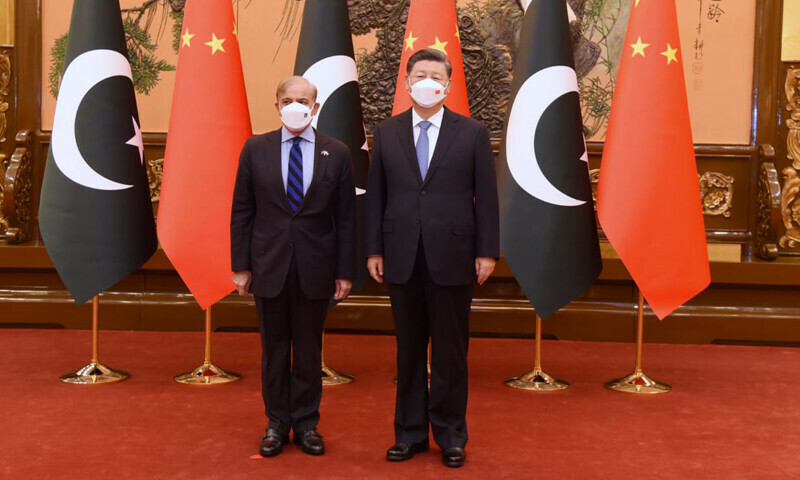
By Rana Tahir Shahbaz — The China-Pakistan Economic Corridor (CPEC) has emerged as a vital catalyst in shaping the developmental landscape of Pakistan. With robust investments and comprehensive infrastructure projects, China has played a significant role in accelerating Pakistan’s economic growth and enhancing its regional connectivity. This article delves into the multifaceted role of China in the development process of Pakistan.
Economic Cooperation and Investments
China’s commitment to Pakistan’s development is evident through substantial investments in various sectors. Under the umbrella of CPEC, both countries have collaborated on energy projects, transportation infrastructure, industrial zones, and telecommunications. These investments have helped bridge critical gaps in Pakistan’s development and created employment opportunities, thereby alleviating poverty and improving the overall socio-economic conditions of the country.
Energy Sector Advancements
Pakistan has long faced challenges in meeting its energy demands. China’s involvement in the energy sector has been instrumental in addressing this issue. With Chinese investments, Pakistan has witnessed the construction of numerous power plants, including coal-fired, hydroelectric, and renewable energy projects. These ventures have significantly increased Pakistan’s power generation capacity, reduced energy shortages, and provided a stable electricity supply for industries and households.
Infrastructure Development
China has actively participated in transforming Pakistan’s infrastructure by funding and executing major projects. The construction of highways, motorways, bridges, and ports has enhanced Pakistan’s connectivity within the country and beyond its borders. The improved transportation network has boosted trade and commerce, creating new avenues for economic growth. Additionally, the development of Gwadar Port, a vital component of CPEC, has positioned Pakistan as a key player in regional trade and maritime activity.
Industrial Collaboration and Special Economic Zones
China’s investment in Special Economic Zones (SEZs) has opened doors for industrial collaboration, technology transfer, and job creation. These SEZs offer attractive incentives to foreign investors, encouraging them to set up manufacturing facilities in Pakistan. As a result, Pakistan has witnessed an increase in industrial output, leading to economic diversification, increased exports, and the development of a skilled workforce.
Human Resource Development
China’s involvement in the development of human resources in Pakistan has been significant. Through scholarships and exchange programs, China has facilitated the education and training of Pakistani students and professionals in various fields. This collaboration has enabled knowledge transfer, technological advancements, and the cultivation of a skilled workforce, which is vital for Pakistan’s long-term development.
Enhancing Regional Connectivity
China’s investment in infrastructure projects, particularly the development of transportation networks, has improved regional connectivity for Pakistan. The creation of new trade routes, such as the Gwadar Port and the planned railway projects, has not only benefitted Pakistan but also enhanced regional trade and connectivity with Central Asia, the Middle East, and Europe. This increased connectivity has the potential to transform Pakistan into a regional economic hub.
Conclusion
China’s role in the development process of Pakistan has been pivotal. Through the CPEC initiative, China has made substantial investments in key sectors, including energy, infrastructure, industry, and human resource development. These investments have spurred economic growth, reduced energy shortages, improved connectivity, and fostered industrial collaboration. However, it is crucial for Pakistan to ensure transparency, equitable distribution of benefits, and environmental sustainability in the execution of projects. By harnessing the potential of the China-Pakistan partnership, Pakistan can continue on its path toward inclusive and sustainable development.





